

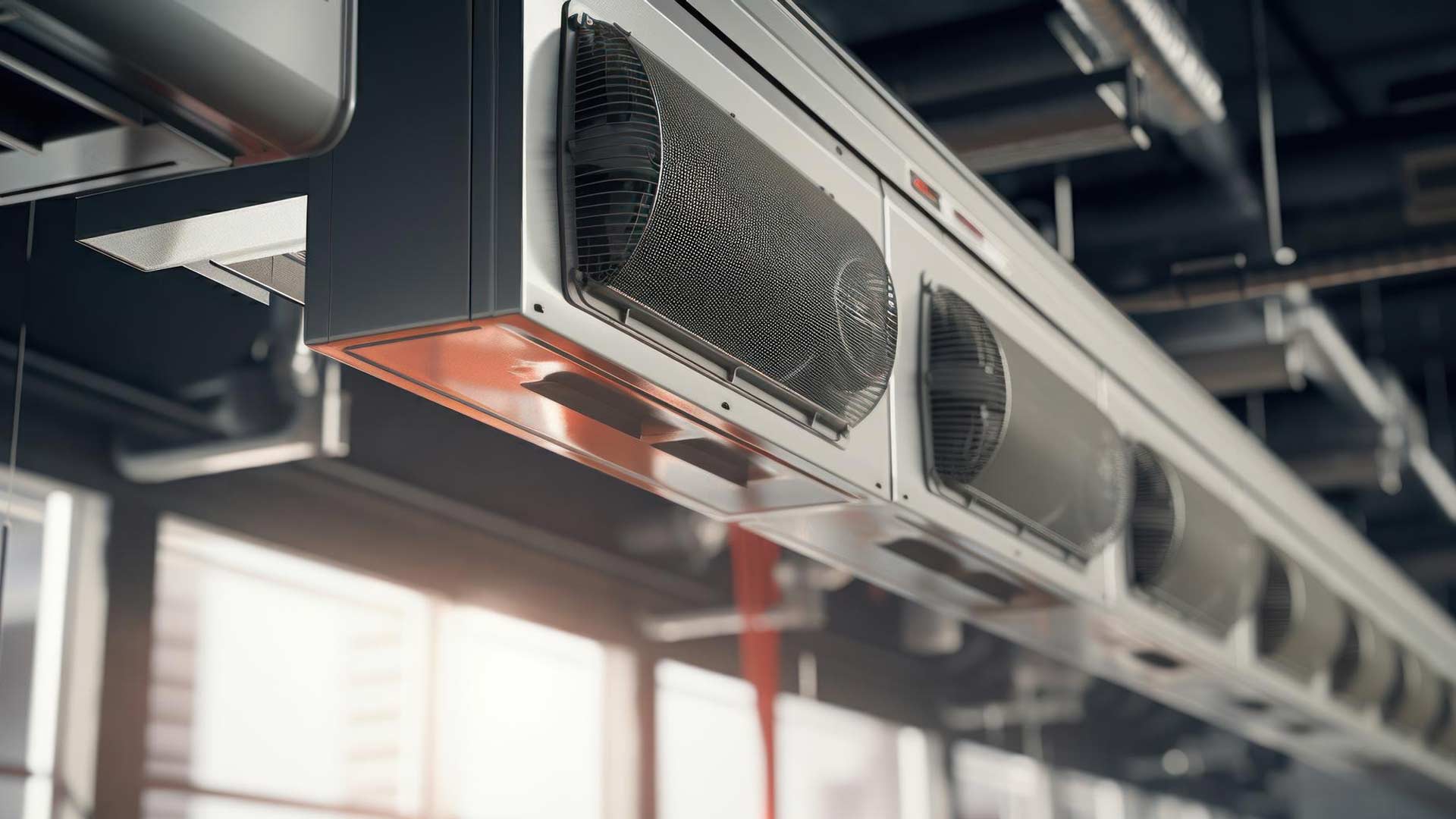
Air Conditioning Inspections and Regulatory Compliance:
UK legislation governing the installation, operation, maintenance and documentation of refrigerant-based air conditioning systems has been enforced for over a decade. Commercial kitchen or office owners and operators have a legal obligation to ensure their systems comply with these regulations.
Energy Performance of Buildings Directive (EPBD)
The Energy Performance of Buildings Directive (EPBD) 2002 was introduced by the European Union to improve energy efficiency and reduce carbon emissions. In the UK, the Directive was implemented through the Energy Performance of Buildings Regulations (EPBR) 2007.
Under these regulations:
- Air conditioning systems with a cooling capacity exceeding 12kW, installed after January 2008, must be inspected within five years of commissioning.
- Existing systems with a cooling capacity greater than 250kW were required to have undergone their first inspection by 4 January 2009.
- Since January 2011, all air conditioning systems with a combined cooling output of 12kW or more must be inspected at least once every five years by an accredited air conditioning inspector.
Failure to comply with these requirements may result in enforcement action, financial penalties, or prosecution.
TM44 Air Conditioning Inspections
From 4 January 2011, buildings with air conditioning systems exceeding 12kW of total cooling capacity have been legally required to obtain a TM44 Air Conditioning Inspection Report. This inspection must be carried out by an accredited inspector and lodged on the Government’s Non-Domestic Energy Performance Certificate Register (Landmark).
TM44 inspections assess the efficiency and performance of refrigerant-based cooling systems and identify opportunities to improve energy efficiency, reduce operating costs, and lower carbon emissions.
Unlike Energy Performance Certificates (EPCs), TM44 inspections are not triggered by the sale or rental of a property. Instead, compliance is based on fixed inspection intervals. Buildings without a valid inspection report are considered non-compliant with current legislation. As enforcement activity by Trading Standards continues to increase, building owners should ensure they remain fully compliant.
Do You Need a TM44 Inspection?
As a general guideline, if your premises contain more than 1,000 sq ft (approximately 93m²) of air-conditioned floor space, there is a strong likelihood that a TM44 inspection is required.
Our experienced team can help you achieve compliance while identifying practical improvements that can reduce both energy consumption and operating costs.
HVAC Certification and Competency
HVAC certification confirms that a technician has completed recognised training and demonstrated competence against industry standards.
Any contractor carrying out work on heating, ventilation, air conditioning, or refrigeration systems should hold the appropriate qualifications and certifications. Working with certified engineers provides assurance that installation, servicing, and maintenance work is completed safely, professionally, and in accordance with current regulations.
Understanding the F-Gas Regulations
The European Union’s F-Gas Regulation (EC No. 842/2006) came into force on 4 July 2006, with key operator obligations taking effect from 4 July 2007. F-gases, including Hydrofluorocarbons (HFCs), are widely used refrigerants in modern cooling systems. Because these gases contribute significantly to global warming if released into the atmosphere, the regulation aims to minimise emissions through strict management and maintenance requirements.
Who Is Responsible?
Legal responsibility for compliance rests with the system operator. An operator is defined as the person or organisation that exercises control over the technical operation of the equipment.
Most permanently installed air conditioning systems fall within the scope of the regulations. Smaller plug-in appliances may be exempt from certain requirements, although operators must still take reasonable steps to prevent and repair refrigerant leaks.
Determining Refrigerant Charge
The quantity of refrigerant contained within a system should be clearly identified on equipment labelling. Where this information is unavailable, the refrigerant charge can be estimated using guidance and calculation tools provided by the UK Government.
Summary of Statutory Air Conditioning Requirements
Building owners and facilities managers are ultimately responsible for ensuring their air conditioning systems comply with all applicable legislation and industry standards.
Key responsibilities include:
- Maintaining valid TM44 inspection reports where required.
- Ensuring regular maintenance and leak detection procedures are carried out.
- Keeping comprehensive maintenance and asset records.
- Recording all refrigerant additions, removals, recovery, disposal, and waste management activities.
- Using only accredited and certified F-Gas engineers for work involving refrigerants.
Although maintenance contractors often retain service records, the legal responsibility for maintaining accurate and accessible documentation remains with the building owner or operator.
Environmental Importance of F-Gas Compliance
Fluorinated greenhouse gases are covered under international climate agreements due to their significant global warming potential. If released into the atmosphere, they contribute to climate change and environmental damage. Proper maintenance, leak prevention, and refrigerant management are therefore essential not only for legal compliance but also for reducing environmental impact.
Penalties for Non-Compliance
Penalties vary depending on the nature and severity of the breach. In the UK, offences prosecuted in the Magistrates’ Court can result in fines of up to £5,000. More serious cases heard in the Crown Court may attract unlimited fines. Maintaining a structured inspection and maintenance programme is the most effective way to ensure compliance, avoid penalties, improve energy efficiency, and extend the lifespan of HVAC equipment.
Looking for HVAC Maintenance?
For any questions about HVAC legislation, installation, operation or maintenance, contact us today for a professional quote or TR19 kitchen cleaning advice.